Follow the visual story
Cartoons
Junior’s cartoons are part of the novel, not decorations. Follow them in printed-page order and notice what each image adds to the words around it.
Each short comment is one starting observation, not the only possible interpretation. Open the printed page to study the cartoon beside its exact context.
Chapter 1
The Black-Eye-of-the-Month Club
Printed page 5
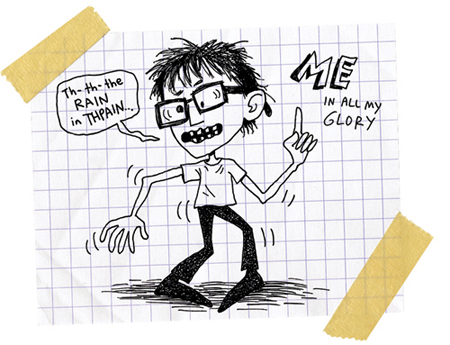
Junior introduces drawing as a language that can cross barriers between people.
Printed page 6
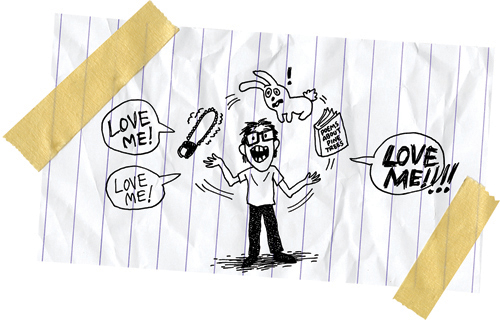
The lifeboat image turns cartooning into a way to stay hopeful and survive.
Chapter 2
Why Chicken Means So Much to Me
Printed page 8
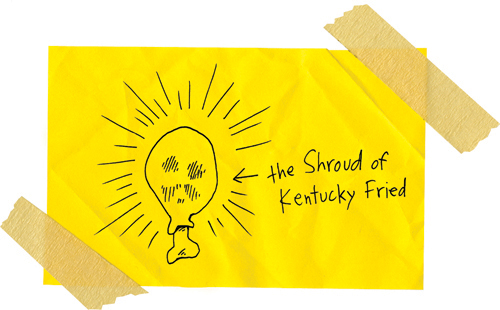
The drawing makes hunger funny and serious at the same time.
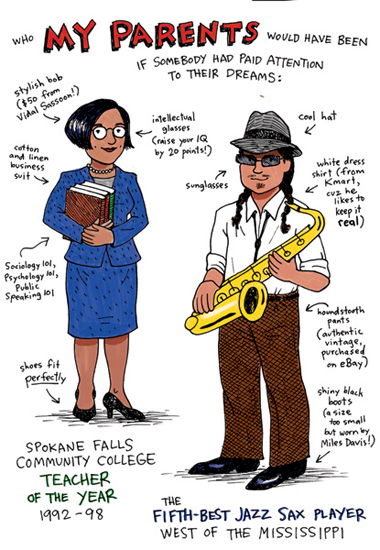
Printed page 12
Junior's labeled portraits record both of his parents' talents and unrealized dreams.
Chapter 3
Revenge Is My Middle Name
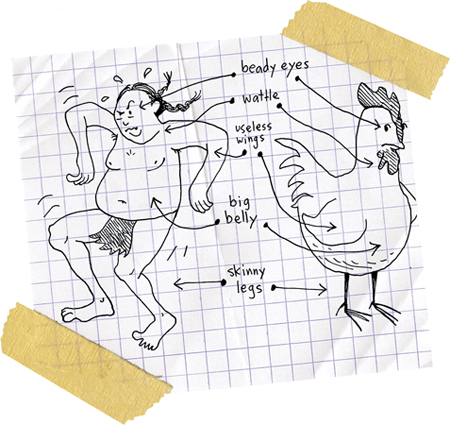
Printed page 19
Exaggerated details let Junior show how vulnerable and conspicuous he feels.
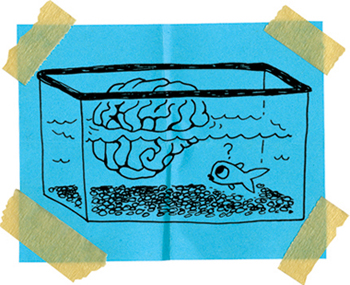
Printed page 22
A visual metaphor turns thought, fear, and imagination into something we can see.
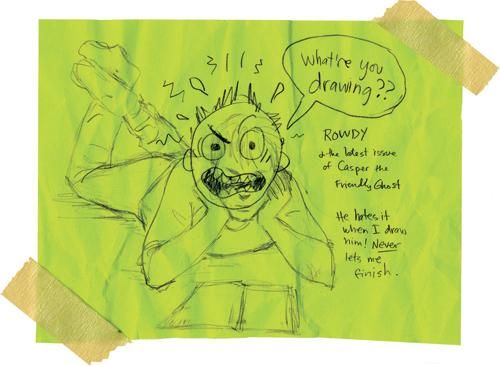
Printed page 23
Junior draws Rowdy's private dreams and the friendship that makes those dreams shareable.
Chapter 4
Because Geometry Is Not a Country Somewhere Near France
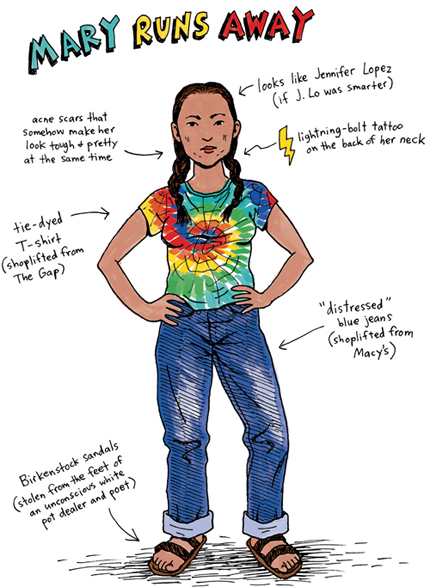
Printed page 27
Mary's profile mixes sharp observation with Junior's comic exaggeration.
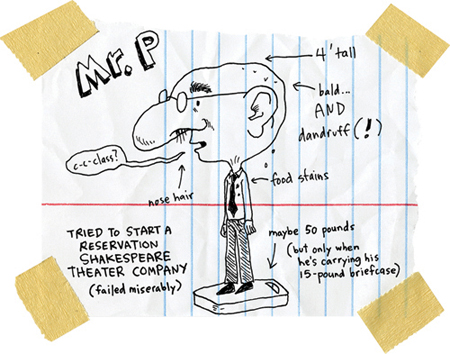
Printed page 29
The labeled portrait turns Junior's first impression of Mr. P into visual evidence.
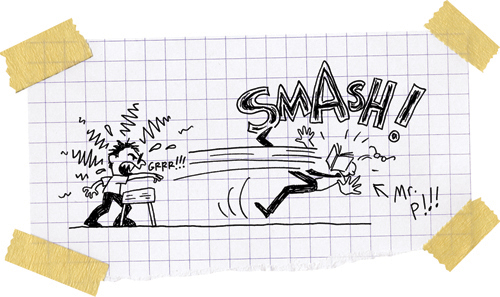
Printed page 31
The impact of the old geometry book becomes a comic-book explosion.
Chapter 5
Hope Against Hope
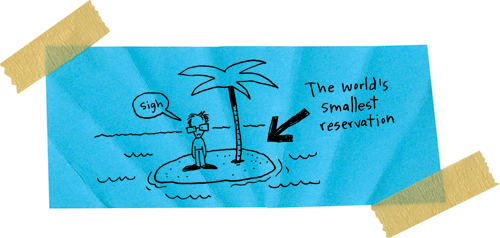
Printed page 33
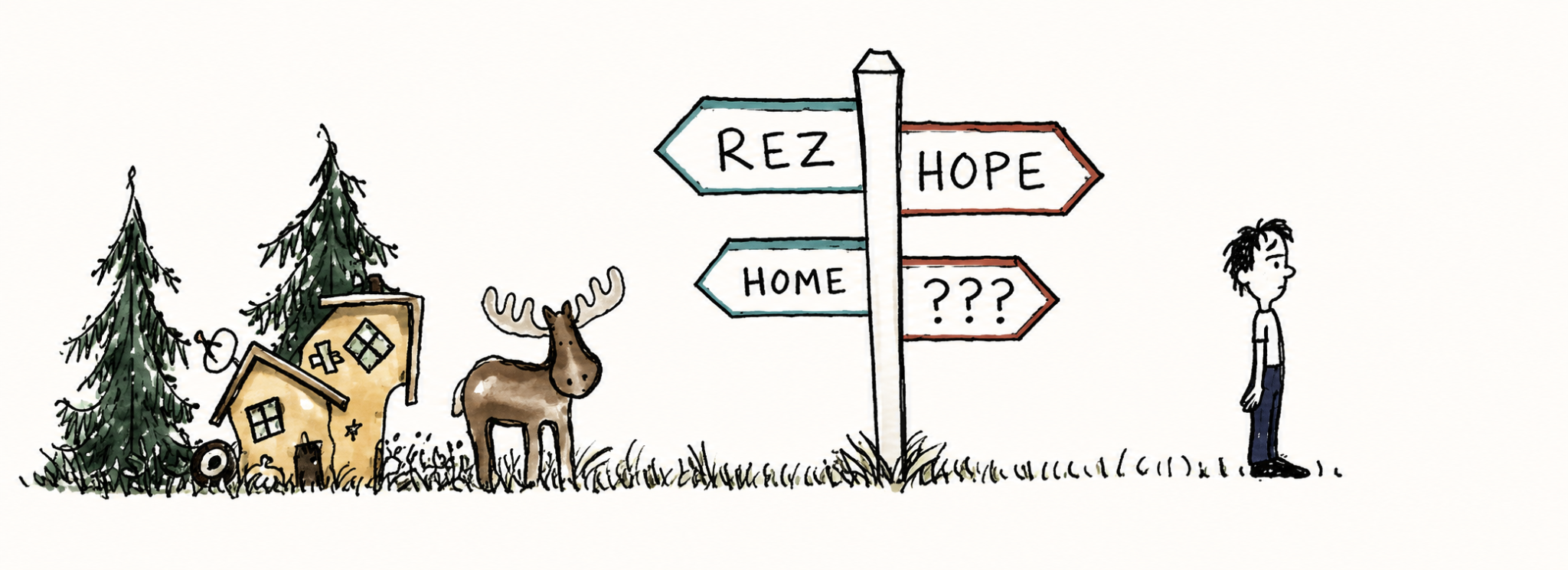
The small figure and large landscape make the world beyond home feel enormous.
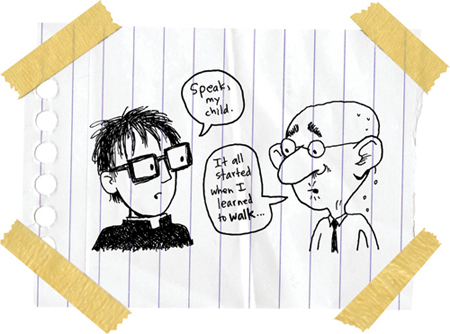
Printed page 36
The faces and speech capture Junior's surprise as Mr. P changes what he knows about Mary.
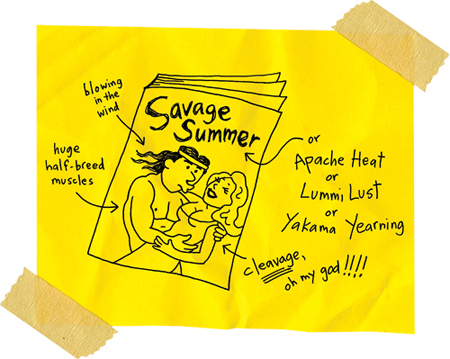
Printed page 38
A parody of a romance cover helps Junior question a familiar stereotype.
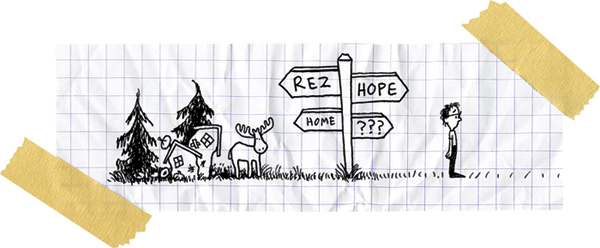
Printed page 43
The drawing gives physical shape to Mr. P's idea that hope lies farther away.
Chapter 6
Go Means Go
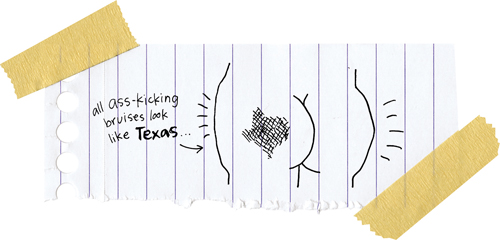
Printed page 44
The image holds Junior at the moment when thinking about leaving becomes a family decision.
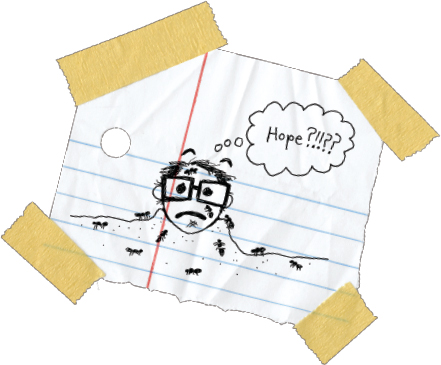
Printed page 47
Hope appears as a destination, but the distance makes the choice look difficult.
Chapter 7
Rowdy Sings the Blues
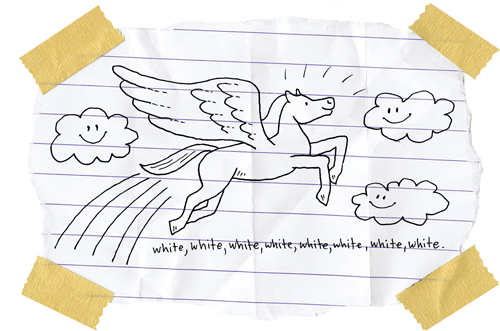
Printed page 51
The repeated visual divide makes Junior's announcement to Rowdy feel final.
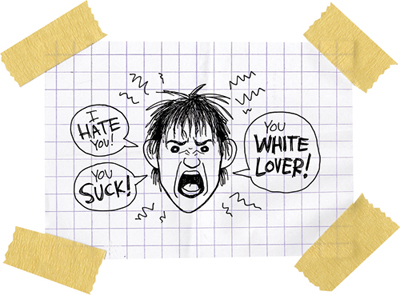
Printed page 53
The close-up freezes the anger and hurt inside the friends' separation.
Chapter 8
How to Fight Monsters
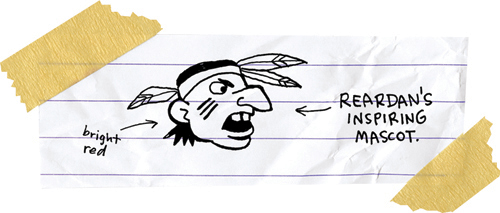
Printed page 56
Junior turns his fear of Reardan into a cartoon monster he can name and face.
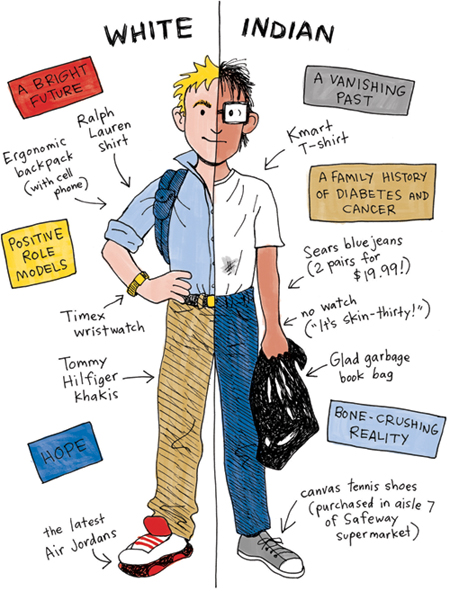
Printed page 57
The labeled figure exposes the stereotypes Junior encounters and the contradictions he feels.
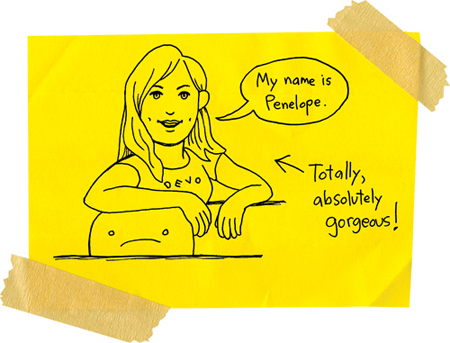
Printed page 59
Junior's portrait of Penelope records attraction before he knows much about her.
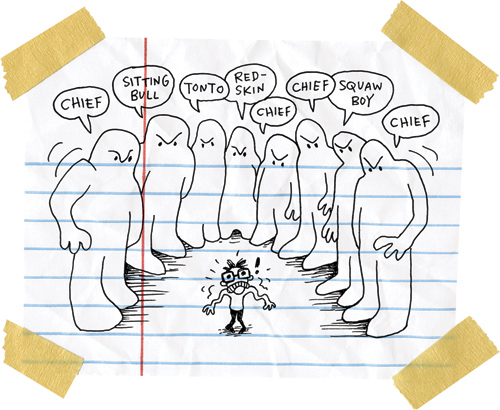
Printed page 63
The crowd of words shows how repeated insults can surround a person.
Chapter 9
Grandmother Gives Me Some Advice
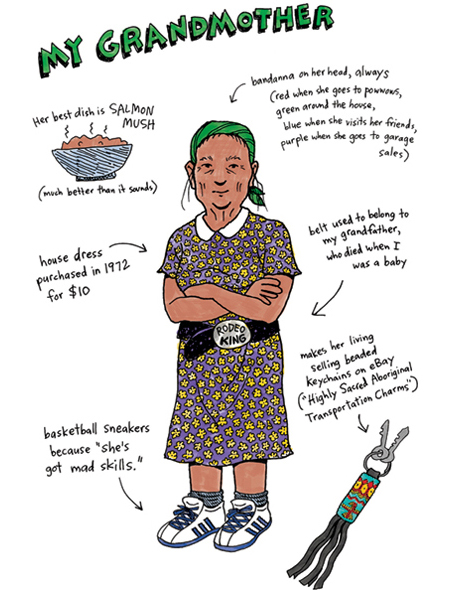
Printed page 69
Grandmother Spirit's portrait emphasizes the knowledge and care Junior sees in her.
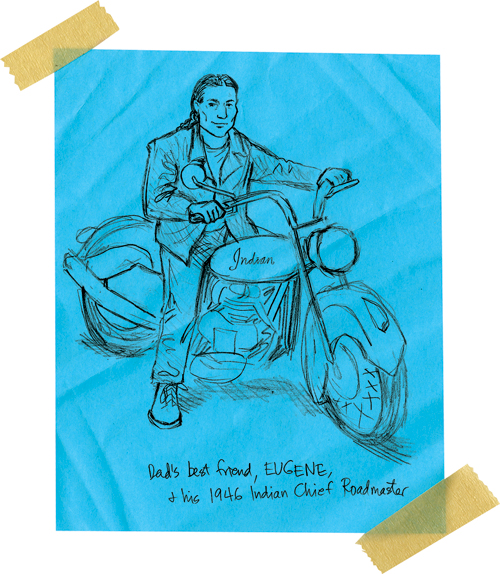
Printed page 72
Eugene's motorcycle portrait connects style, movement, and possibility.
Chapter 12
Slouching Toward Thanksgiving
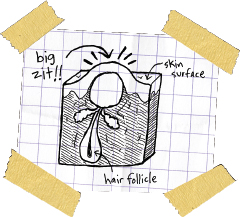
Printed page 83
The cartoon makes Junior's isolation visible through an exaggerated pose.
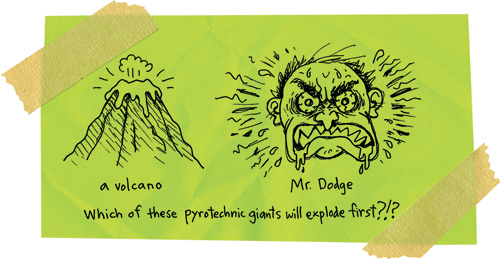
Printed page 85
A science-class joke turns conflict with a teacher into a visual comparison.
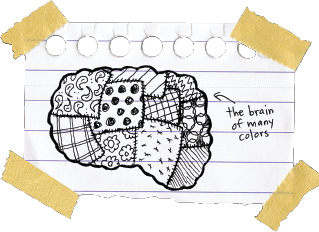
Printed page 87
The drawing compresses a long and difficult trip into one memorable image.
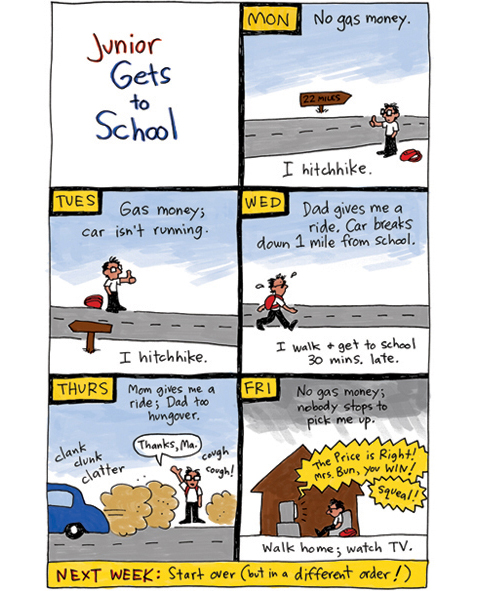
Printed page 88
The panels track how money, transportation, and chance shape Junior's school day.
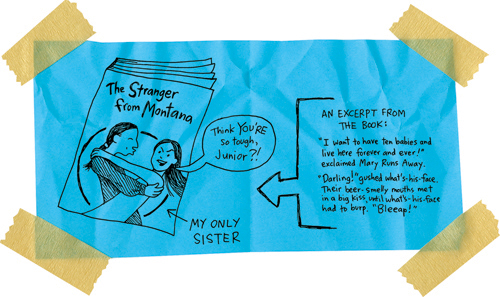
Printed page 90
The cartoon lets Junior imagine Mary's new life while recognizing how little he knows about it.
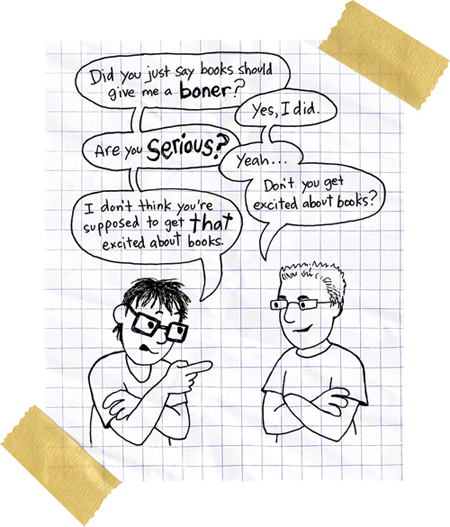
Printed page 96
The dialogue makes Gordy's excitement about books both comic and important.
Chapter 14
Thanksgiving
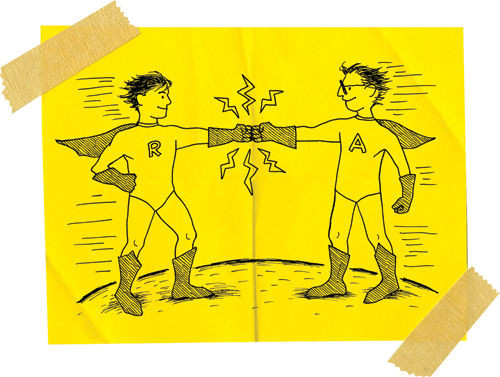
Printed page 102
Junior uses a shared Thanksgiving memory to reach back toward Rowdy.
Chapter 15
Hunger Pains
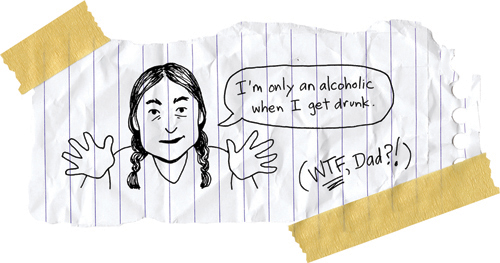
Printed page 107
A brief portrait gives visual form to the pain Junior is beginning to notice in Penelope.
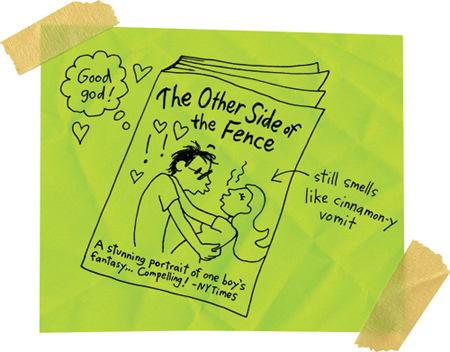
Printed page 110 · cartoon 1
The caricature lets Junior joke about romance, identity, and how other people see him.
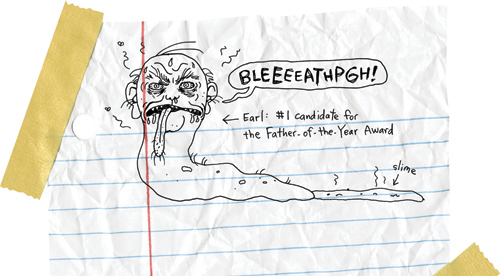
Printed page 110 · cartoon 2
The labeled portrait records Junior's sharply critical first impression of Earl.
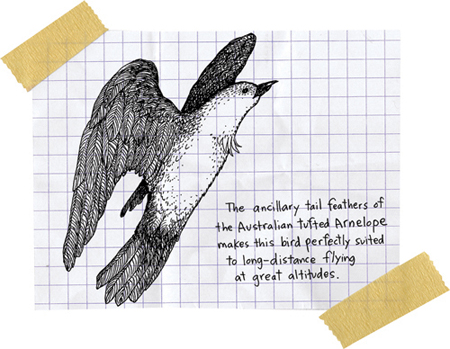
Printed page 112
The bird diagram turns Penelope's dream of travel into an image of flight.
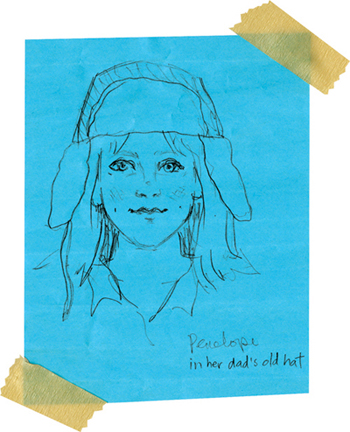
Printed page 113
This portrait shows Penelope through Junior's admiring gaze, which readers can also question.
Chapter 16
Rowdy Gives Me Advice About Love
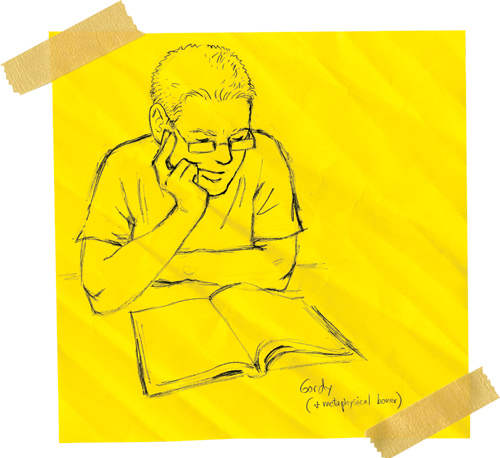
Printed page 117
The image lightens Rowdy's blunt advice while keeping the distance between the friends visible.
Chapter 17
Dance, Dance, Dance
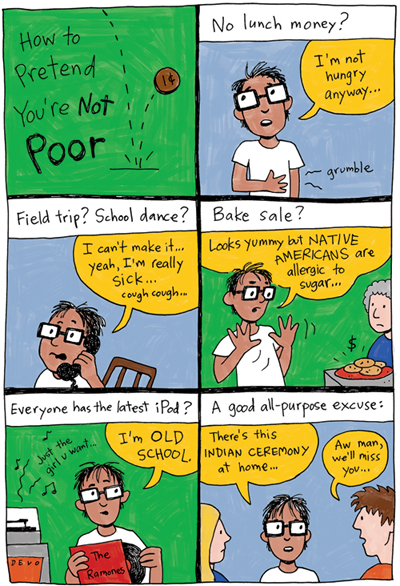
Printed page 120
The comic panels show the excuses Junior uses to hide hunger and poverty.
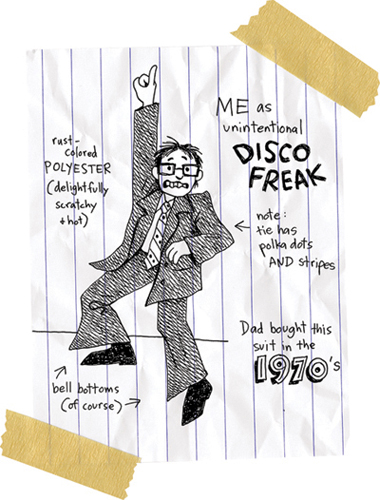
Printed page 121
Labels turn an old suit into evidence of Junior's worry about fitting in.
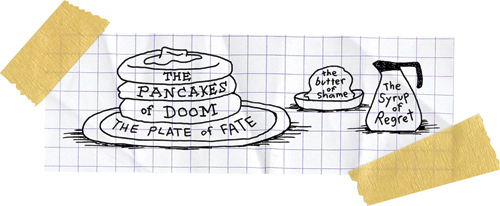
Printed page 123
A simple plate makes the cost of the evening feel immediate and concrete.
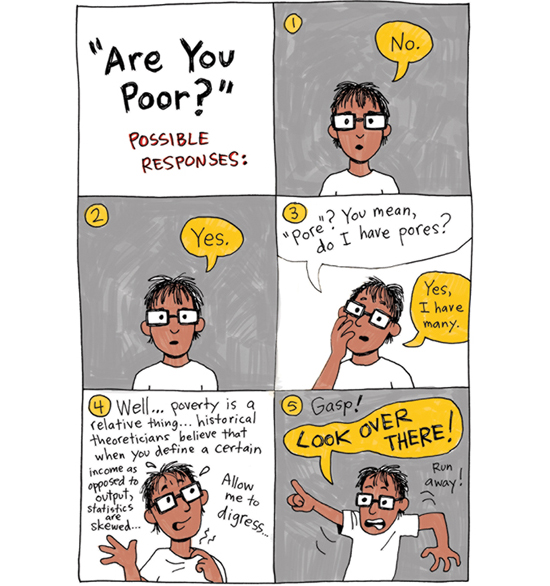
Printed page 128
The question-and-answer panels show how hard it is for Junior to say that he is poor.
Chapter 19
My Sister Sends Me a Letter
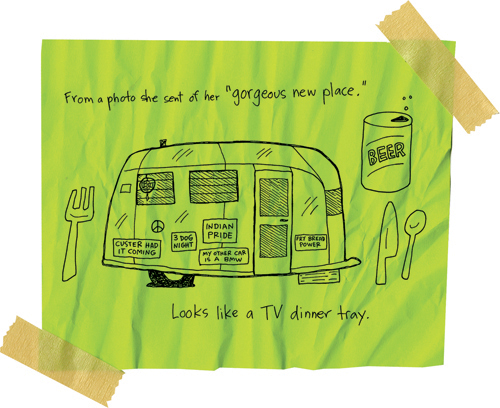
Printed page 134
The drawing places Mary's hopeful description beside Junior's more skeptical view.
Chapter 20
Reindeer Games
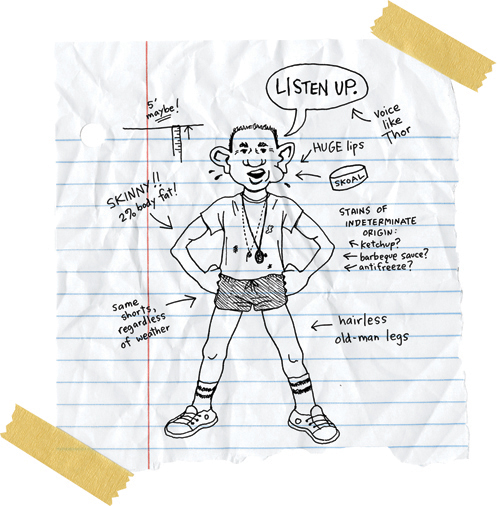
Printed page 137
The basketball portrait turns a tryout into a test of identity as well as skill.
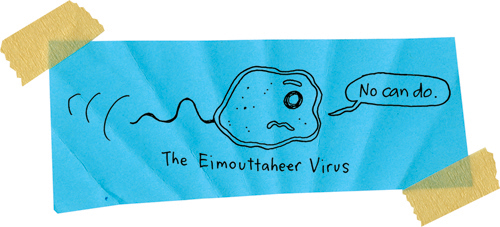
Printed page 138
Exaggeration makes the physical strain of practice visible and comic.
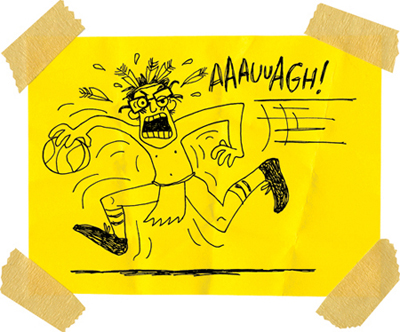
Printed page 141
The action drawing captures the energy of a moment when Junior earns respect.
Chapter 22
Red Versus White
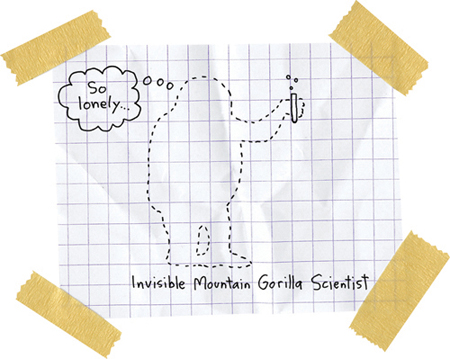
Printed page 156
A visual comparison helps Junior think through differences he sees between communities.
Chapter 23
Wake
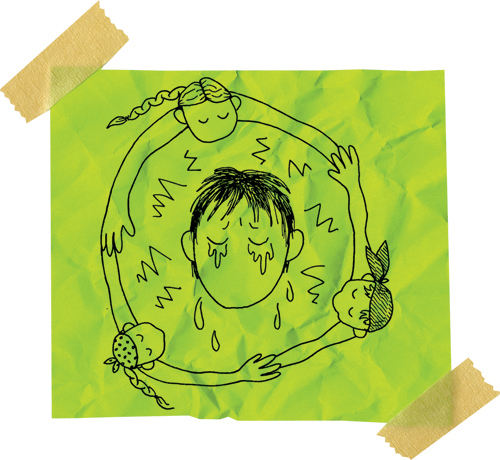
Printed page 159
The portrait pauses the story so grief can be seen as well as narrated.
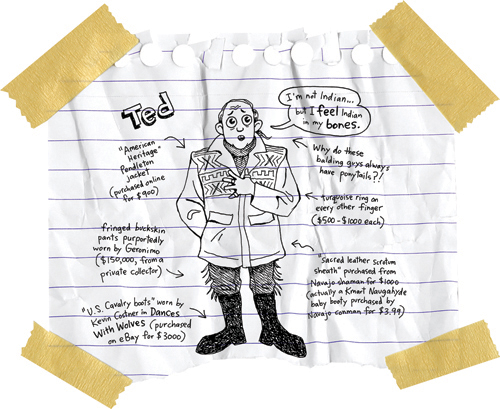
Printed page 162
A labeled caricature helps Junior expose the visitor's assumptions.

Printed page 166
The drawing holds laughter and tears together during the wake.
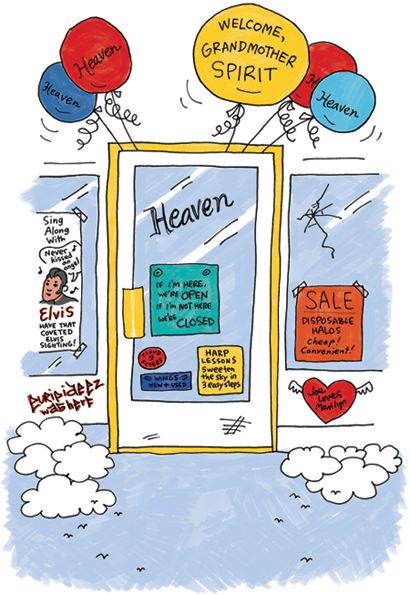
Printed page 168
The panels show several ways people speak and act around grief.
Chapter 24
Valentine Heart
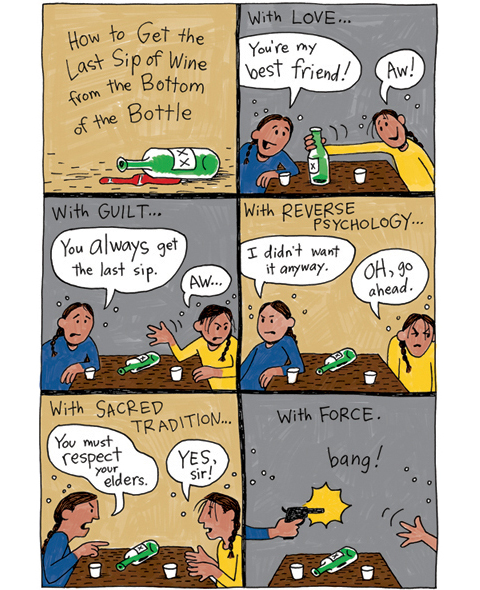
Printed page 170
The short sequence uses humor to record rules, memory, and respect.
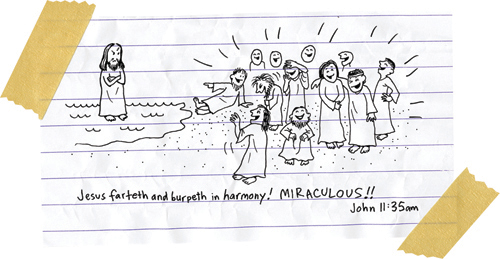
Printed page 171
Junior answers loss by turning anger at religion into a cartoon.
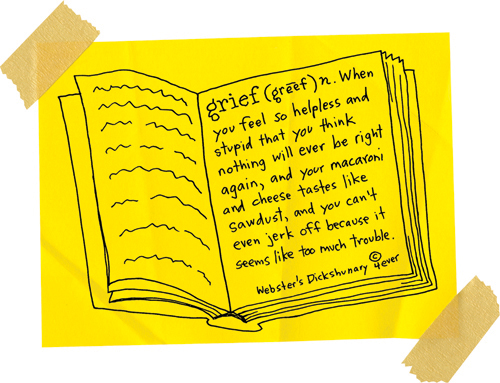
Printed page 172
The open book connects reading, language, and Junior's search for help with grief.
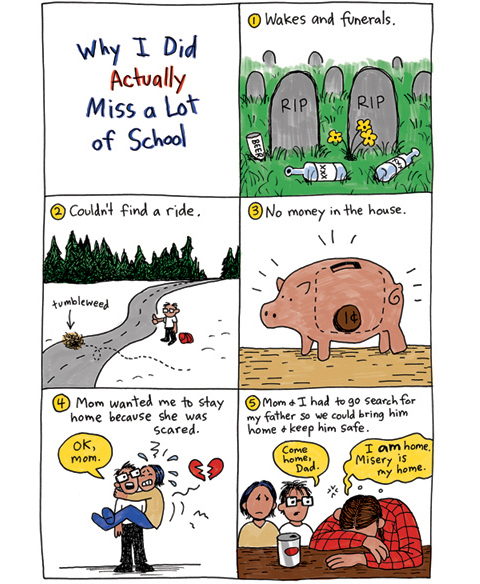
Printed page 174
The chart organizes the practical reasons grief changes Junior's school attendance.
Chapter 25
In Like a Lion
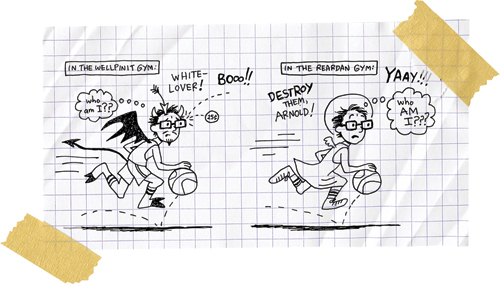
Printed page 182
Historical imagery complicates Junior's desire to defeat his former team.
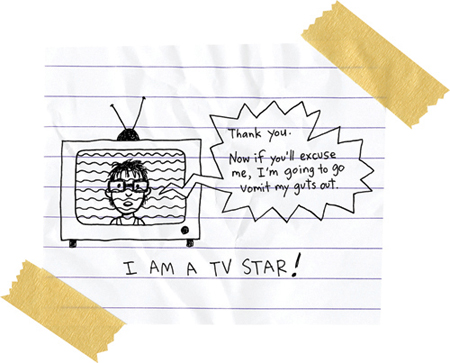
Printed page 187
The fantasy image turns Coach's 'secret weapon' speech into nervous humor.
Chapter 27
Because Russian Guys Are Not Always Geniuses
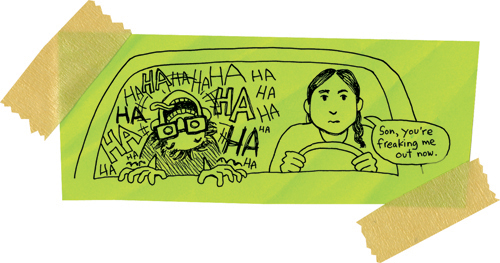
Printed page 204
A comic reaction makes shock and relief arrive in the same moment.
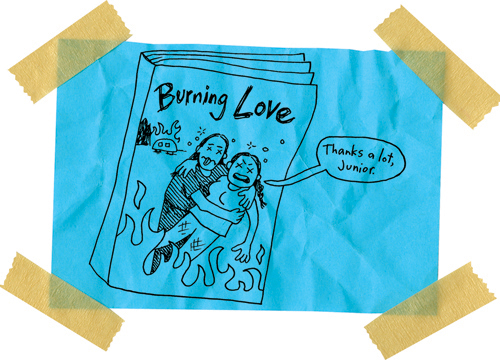
Printed page 213
The image uses a dramatic visual metaphor for love, loss, and emotional overload.
Chapter 28
My Final Freshman Year Report Card
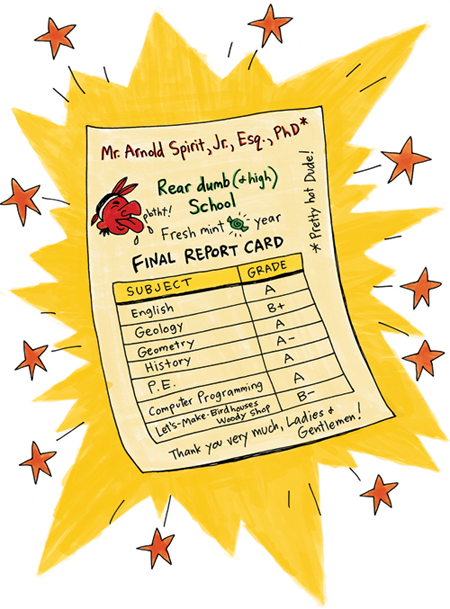
Printed page 214
The report-card format turns Junior's year into a compact record of struggle and progress.
Chapter 29
Remembering
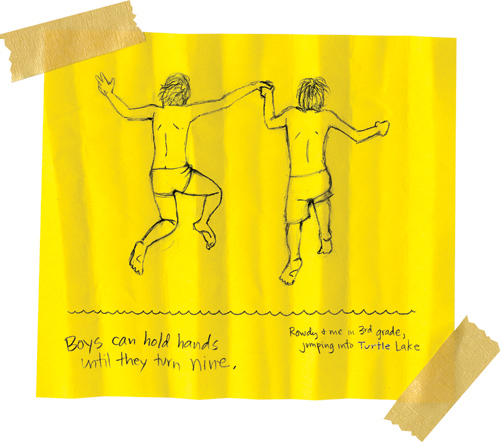
Printed page 218
The final drawing returns to Junior and Rowdy as they begin to reconnect.